



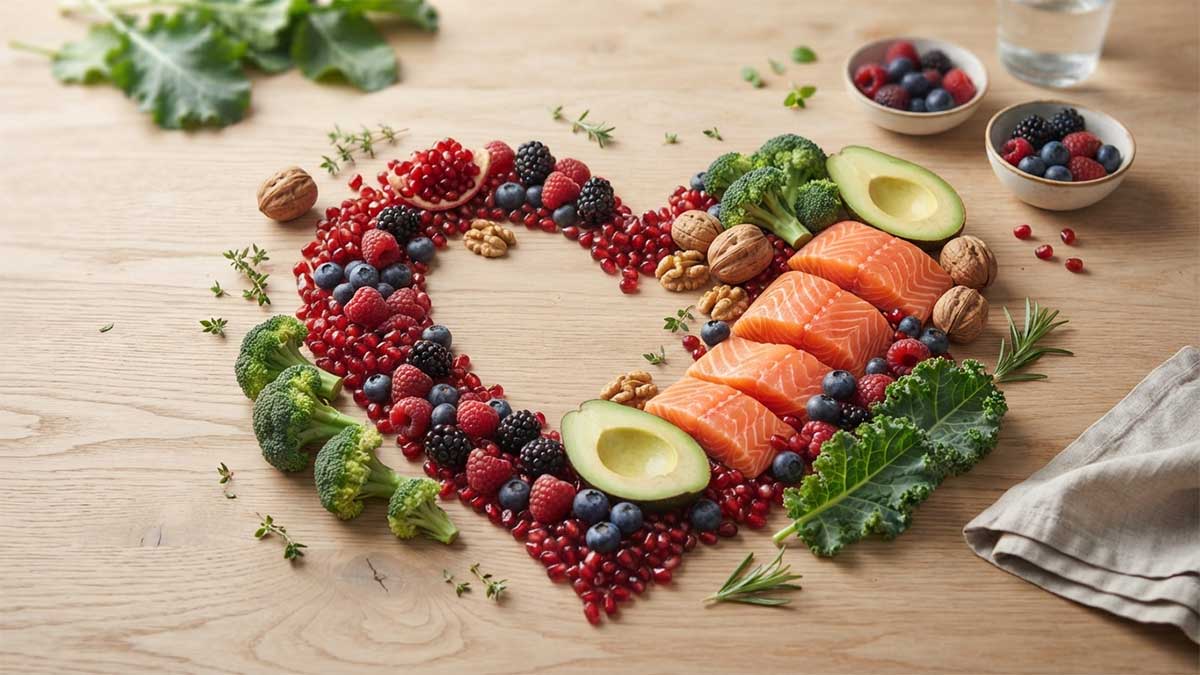
Heart-healthy food composition: fatty fish, nuts, berries and vegetables
Feed your heart right: a complete guide to foods that strengthen heart health
Do you want to have a healthy heart, elastic blood vessels and feel full of explosive energy every day? Then pay special attention to what you put on your plate, i.e. feed your heart right.
The food we eat plays a key role in cardiovascular health. In this article, we will present you with a complete and scientifically proven guide to the foods you should include in your diet to keep your heart healthy, strong and young for decades to come.
Why is nutrition important for the heart?
The heart is like a powerful engine that is constantly working to pump blood throughout the body. To function optimally and without wear and tear, it needs high-quality “fuel”. The food we eat provides the heart with the necessary macro- and micronutrients so that it can perform its pumping function without undue strain. Improper nutrition leads to obesity, chronic inflammation of the vessels and dangerous plaque buildup, which threatens our lives.
Key Foods for a Healthy Heart:
- Fatty Fish (Salmon, Mackerel, Trout): Extremely rich in Omega-3 fatty acids (EPA and DHA), which reduce inflammation, regulate blood pressure and maintain vascular tone.
- Dark-colored fruits and vegetables: Packed with powerful antioxidants (polyphenols), vitamins and minerals that protect LDL cholesterol from oxidation and protect blood vessels from damage.
- Whole grains (brown rice, quinoa, oatmeal): Provide valuable fiber that helps control cholesterol and blood sugar levels.
- Legumes (lentils, chickpeas, beans, soybeans): An excellent source of plant-based protein with zero cholesterol and plenty of potassium to relax the heart muscle.
- Nuts and seeds (walnuts, almonds, flaxseed, chia): Rich in unsaturated fats, phytosterols and magnesium, which help lower bad cholesterol and calm the nervous system.
What to avoid:
- Trans fats: Found in processed foods, ready-made pastries, puff pastry and fried restaurant dishes. They destroy the endothelium of the vessels.
- Saturated fats from bad sources: Excessive intake of fatty red meats, butter and palm oil increases bad cholesterol levels.
- Excess sodium (salt): Limit your intake of table salt and ready-made sauces, as sodium retains water and artificially increases blood pressure.
- Processed sugars: Reduce your consumption of sweet carbonated drinks, ready-made juices and sugary desserts, which increase vascular inflammation.
Practical tips for healthy eating:
- Cook at home: This allows you to control the ingredients and the amount of salt and fat in your dishes.
- Choose fresh and seasonal products: They contain peak levels of micronutrients.
- Read labels carefully: Pay attention to the content of sodium, added sugar and partially hydrogenated oils.
- Drink enough water: Proper hydration maintains optimal blood viscosity (thickness).
- Partially replace sodium chloride (table salt): In wellness circles and cardiology, a balanced dietary salt (with reduced sodium content and added potassium, e.g. 50/50 or 70/30) is recommended. This reduces water retention and helps relax the vascular walls.
- Consult a wellness coach: He or she will help you create an individual and gentle nutritional plan without stress and starvation.
Note: Complete 100% replacement with potassium chloride may have a bitter/metallic taste for some people, and in people with kidney problems or taking certain blood pressure medications (ACE inhibitors), excessive potassium may be contraindicated. Therefore, in wellness circles and cardiology, a balanced dietary salt is recommended (with reduced sodium content and added potassium, e.g. 50/50 or 70/30).
For more knowledge, you can join one of the courses of our Wellness Restart GT program.
⚖️ Medical Disclaimer:
The information in this article is provided for educational and informational purposes only. It DOES NOT constitute medical advice, diagnosis, or treatment recommendation. Wellness advice and dietary regimens are intended to support a healthy lifestyle in generally healthy people and do not replace professional medical advice.
Always consult your personal physician or qualified medical professional before starting a new diet, taking nutritional supplements, and/or if you have existing health problems (especially cardiovascular or kidney disease).
Club Galanto is not responsible for the results of actions taken based on this information. Your health is your responsibility!
📚 Literature and scientific sources used:
- American Heart Association (AHA). (2021). Dietary Guidance to Improve Cardiovascular Health. Circulation, 144(23), e472–e487.
(The official dietary guidelines of the American Heart Association). - Estruch, R., et al. (PREDIMED Study Group). (2018). Primary Prevention of Cardiovascular Disease with a Mediterranean Diet Supplemented with Extra-Virgin Olive Oil or Nuts. The New England Journal of Medicine (NEJM), 378(25), e34.
(The world-renowned study on the benefits of the Mediterranean diet, fatty fish, nuts and olive oil for the prevention of cardiovascular events). - World Health Organization (WHO). (2023). Saturated fatty acid and trans-fatty acid intake for adults and children: WHO guideline. Geneva: World Health Organization.
(WHO Global Recommendations for Restricting Trans Fats and Sodium for the Prevention of Hypertension). - Mozaffarian, D., & Wu, J. H. (2011). Omega-3 fatty acids and cardiovascular disease: effects on risk factors, molecular pathways, and clinical events. Journal of the American College of Cardiology, 58(20), 2047–2067.
(Research on the role of omega-3 fatty acids in vascular tone and inflammation reduction).
